
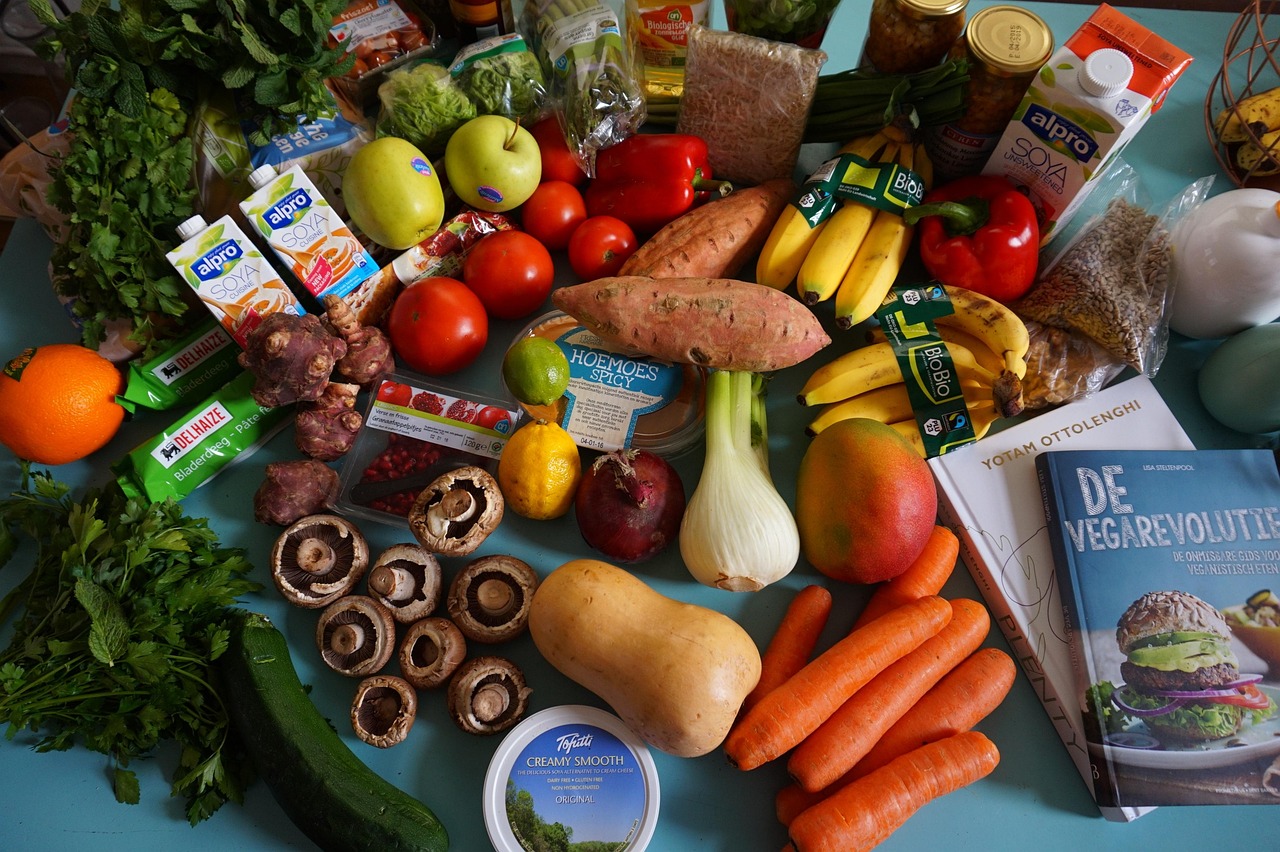
 Have you ever noticed how your mood changes after a heavy, oily meal — or how refreshed you feel after eating fruits and greens? That’s not coincidence — it’s biochemistry. Your brain and gut are deeply connected, and what you eat affects how you think, feel, and even how you handle stress.
Food is not just fuel — it’s information. Every bite sends signals to your brain, influencing your hormones, neurotransmitters, and mood. This connection is what nutrition experts now call “Nutritional Psychiatry.”
The Gut–Brain Connection
Your gut and brain communicate through a complex system called the gut-brain axis. The microbes in your intestines produce chemicals like serotonin, dopamine, and GABA — the same neurotransmitters that regulate happiness, calmness, and focus.
When you eat fiber-rich, plant-based foods, you feed these good bacteria. When you eat ultra-processed, sugary foods, you inflame your gut and disrupt this communication — leading to fatigue, anxiety, or even depression.
Remember:
“A healthy gut means a happy mind.”
Mood-Boosting Foods
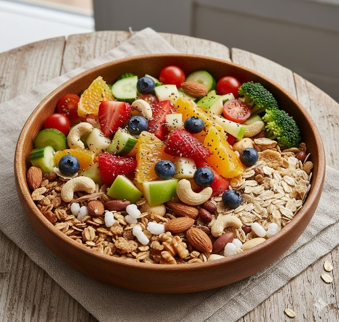
1. Berries & Colorful Fruits
Rich in antioxidants that fight inflammation in the brain and improve memory.
2. Whole Grains & Millets
Slowly release glucose, keeping your energy and mood stable throughout the day.
3. Omega-3-Rich Foods (Fish, Flaxseeds, Walnuts)
Essential for brain cell structure and neurotransmitter balance.
4. Leafy Greens
Loaded with folate and magnesium — key nutrients for calming the nervous system.
5. Fermented Foods (Curd, Buttermilk, Kimchi)
Promote healthy gut bacteria, which directly improve emotional balance.
Foods That Drain Your Mind
🚫 Refined Sugar & Junk Foods → Spike and crash energy, increasing irritability. 🚫 Processed Oils & Fried Foods → Trigger inflammation and brain fog. 🚫 Excess Caffeine → Causes anxiety, dehydration, and sleep problems. 🚫 Skipping Meals → Starves the brain of glucose, leading to poor concentration.

How to Eat for a Calm and Clear Mind
Eat rainbow-colored meals – variety equals balance.
Stay hydrated – even mild dehydration affects focus.
Include mindful eating – chew slowly, feel gratitude, and eat without screens.
Balance gut health – add prebiotic fiber (bananas, oats, garlic).
Sleep & movement – nutrition works best with rest and physical activity.
Conclusion
Your mind is not separate from your body — and your body listens to what you eat. Food therapy is not a fad; it’s a foundation for lasting mental wellness.
When you nourish your body with clean, whole foods, you nourish your mind with clarity, calmness, and positivity.
Eat with awareness — Think with balance — Live with joy